
 This article will help you to prepare the essential items that you need to bring to the hospital for your labour and delivery. The preparation should be done when you are about eight months pregnant. Pack the items listed in the list below in a bag and place the bag in a convenient place that is easy for you or your spouse to retrieve it when needed.
The list here is just a suggestion or a guide only, and you may make your own adjustments based on your preference. Decide which items you will need for your labour and birth, the hospital stay, and for the trip home for you and your baby.

 This is common in the first three months of pregnancy and occurs in 50% to 80% of pregnant women. The symptoms often occur in the morning (from 6-9 am) but may occur at any time during the day. The impact and severity of the nausea and vomiting is different for each woman.
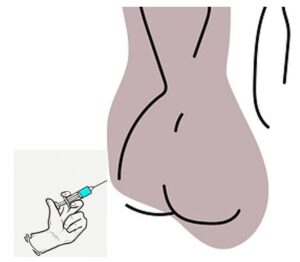 Progestogen-only injectable contraception is a hormonal type of contraception that is given through an injection. It contains a synthetic form of the hormone progesterone, known as progestin or progestogen. They provide protection against pregnancy for up to 8 to 14 weeks.
 This type of pill does not contain oestrogen and the dose of progestogen is significantly lower than in those used in combined oral contraceptive pills (COC). It is also called the “mini-pill” and is useful for women who do not want pills that contain oestrogen or in situations where the oestrogen is not suitable for medical reasons. They are a highly effective method of birth control when taken correctly.


 This article will help you to prepare the essential items that you need to bring to the hospital for your admission. The list here is just a suggestion or a guide only, and you may make your own adjustment, based on your own preference. Decide which items you will need for a comfortable stay and recovery. However, you should not over-pack so as to inconvenience everyone, including yourself during your admission or discharge. The items will also depend on the expected length of stay in the hospital.
 Article contributed by Dr Ong Tien Kwan (Klinik Ong)