

Vitamin D is an important nutrient that plays a significant part in our health and is crucial for many bodily functions. The most important type of vitamin D is D3 (also called cholecalciferol). It is a fat-soluble vitamin and is produced when the skin is exposed to sunlight. Ideally, we should get most of our vitamin D from adequate exposure to sunlight and from our diet. The body can produce sufficient vitamin D with adequate exposure to sunlight (30 minutes of sunlight exposure several times a week). However, too much sun exposure has its own risks, such as skin cancer and aging. A list of healthy foods rich in minerals and vitamins is available from many health-related websites, and you should review these to ensure that you are taking a balanced diet to meet all the daily requirements. Certain groups may require additional vitamin D3 through supplements especially those who live in areas with not much sunlight, or people who are indoors most of the time, those with certain medical conditions, and older adults.
Importance of Vitamin D

- Bone health: Vitamin D helps the body absorb calcium, a mineral that is essential for strong bones and teeth. Lack of calcium can lead to weak and brittle bones, leading to a conditions known as osteoporosis and rickets.
- Play a role in the immune system: it is important in maintaining the immune system. A healthy immune system will help the body fight infections and reduce inflammation, or reduce the severity of illnesses such as flu, common cold, and even chronic diseases.
- Mood: a link between low blood levels of vitamin D and an increased risk of mood disorders and depression has been reported. Therefore, it may have a positive role in mental health.
- Muscle Function: Normal levels of vitamin D support normal muscle function. A long-standing lack of this vitamin can lead to muscle weakness and discomfort, as well as an increased risk of falls and fractures in the elderly.
- The role of vitamin D in the prevention of other illnesses, such as heart disease, cancer, or multiple sclerosis is still uncertain.
Vitamin D3 Deficiency: Signs and Symptoms
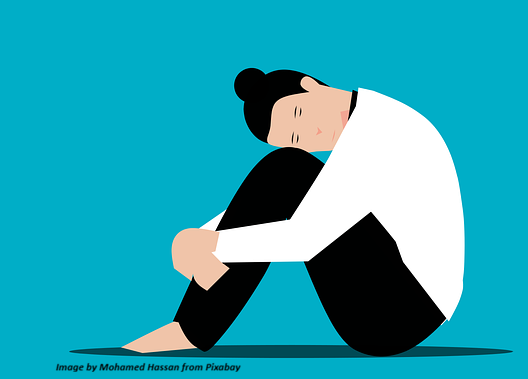
Lack of vitamin D is quite common, especially in regions with long winters or limited sunlight. Symptoms of vitamin D deficiency include:
- Fatigue and weakness
- Bone pain or muscle weakness
- Depression or mood swings
- Increased risk of infections
- Hair loss
Recommended Dosages of Vitamin D3
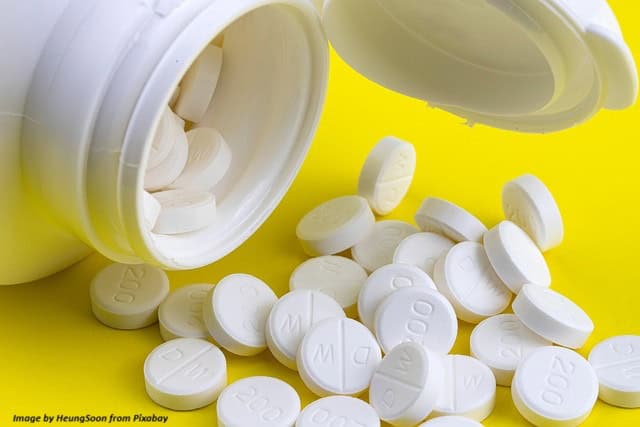
The amount of vitamin D a person needs can depend on factors like age, health conditions, dietary habits and the amount of exposure to sunlight. The International Osteoporosis Foundation (IOF) (click HERE for more information) recommends that seniors aged 60 years and older take a vitamin D3 supplement at a dose of 800 to 1000 IU/day to benefit bone health and help reduce the risk of falls. There are other guidelines that recommend a daily intake of 400-600 IU/day for the other general adults.
For people diagnosed with osteoporosis, a combination of calcium and vitamin D supplements is recommended to ensure optimal treatment.

If you’re unsure whether you have enough vitamin D in your body, or if you’re at risk of deficiency, you should consult with your healthcare provider and discuss this, and see if you need supplementation. Getting too much vitamin D, especially from supplementatio can be harmful. A blood test can measure your vitamin D levels and help determine if supplementation is needed. The daily upper limits for vitamin D include intakes from all sources— such as from food, beverages, and supplements. Because vitamin D is fat-soluble, it is best absorbed when taken with a meal or snack that includes some fat. The addition of vitamin K to D supplementation may have extra benefits. There is evidence that vitamin K can help direct the increased calcium absorption (due to vitamin D) to the bones and teeth, thus preventing buildup in other organs such as the arteries.
Disclaimer
This is for informational purposes only and is not intended to be a substitute for professional medical advice, diagnosis, or treatment. It is important for readers to seek proper medical advice when necessary.