Article contributed by: Dr Vigneswaren Ponnudurai, Consultant Obstetrician and Gynaecologist
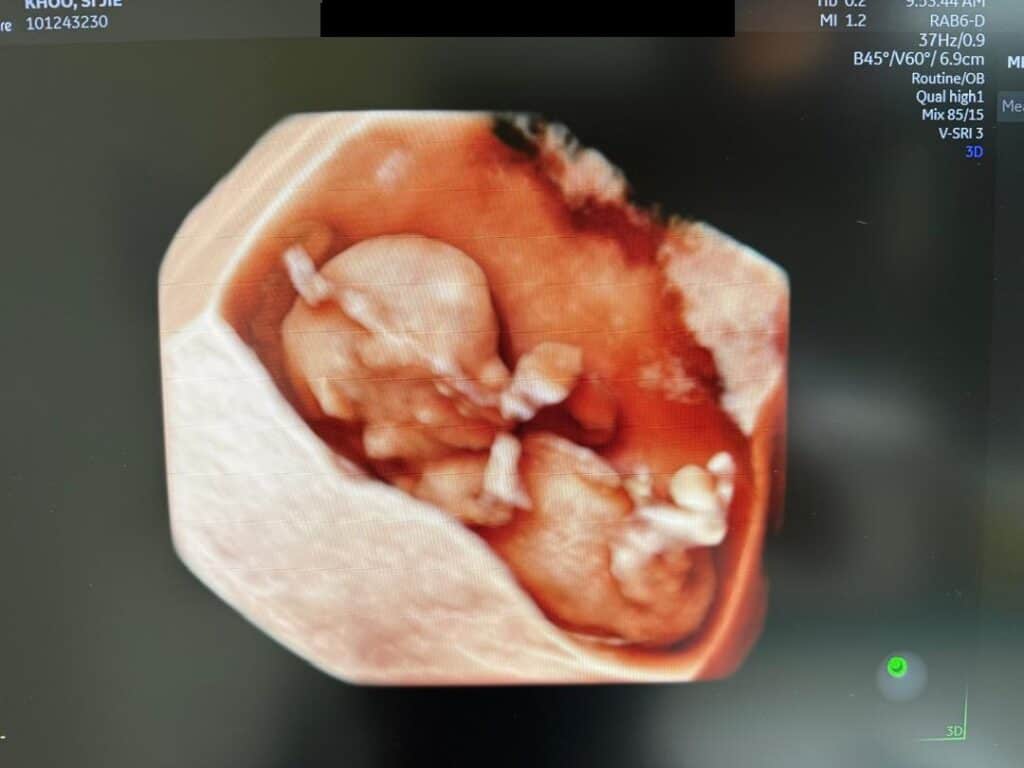
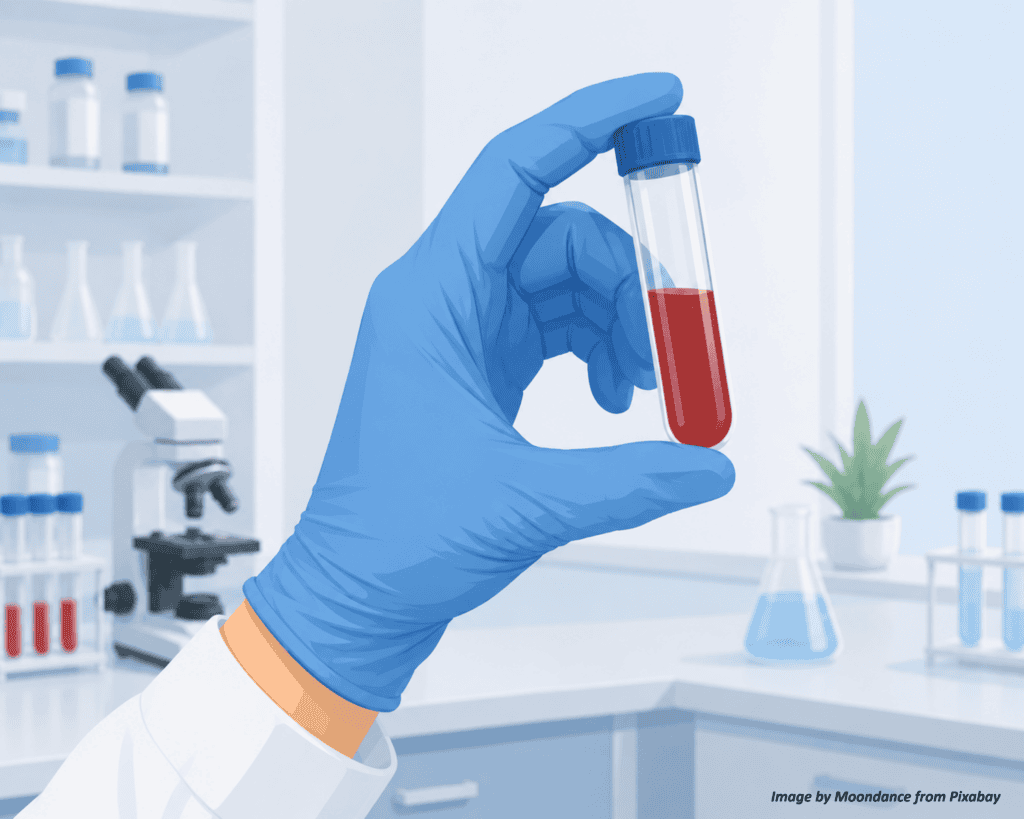
NIPT is a test that uses a sample of the mother’s blood during pregnancy to check whether the developing baby has certain chromosome conditions that can affect health and development. During pregnancy, some of the baby’s DNA (fetal DNA) crosses into the mother’s bloodstream. This DNA carries the baby’s genetic information, and it is this fetal DNA that is analyzed during NIPT to check for chromosome conditions.
What does NIPT test for?
Chromosomes are the packages that contain the body’s DNA. Problems with how the body develops or functions can occur when there is too much or too little chromosome material. The most common chromosome condition in newborns is Down syndrome (also known as Trisomy 21), which occurs when there is an extra copy of chromosome 21 in each cell of the body.
NIPT tests for conditions in the baby where an entire extra copy of a chromosome is present or missing. Most NIPT tests screen for Down syndrome (Trisomy 21), Edwards syndrome (Trisomy 18), Patau syndrome (Trisomy 13), and certain sex chromosome variations. Women who are considering NIPT should be aware that not all tests look for the same chromosome conditions, and it is important to talk to your health care provider about the specific conditions the baby is being tested for.
How accurate is NIPT?
NIPT is highly accurate for the chromosome conditions it screens for, though accuracy is not 100%. Accuracy also varies by chromosome condition — for example, results for Down syndrome tend to be more accurate than results for some other conditions tested.
In some cases, there is a possibility that no result is returned. This can happen when there is insufficient fetal DNA in the mother’s blood, or when the fetal DNA cannot be adequately identified.
Does a “normal” (low-risk) NIPT result mean the baby is healthy?
No test can guarantee that a baby will be healthy at birth. NIPT looks for a number of chromosome conditions including Down syndrome. NIPT does not analyze all of the baby’s chromosomes and DNA, therefore, will not rule out other genetic, chromosome or other health conditions. The health professional providing information about NIPT is the best person to ask about the limits of testing.
How early in pregnancy can NIPT be done?
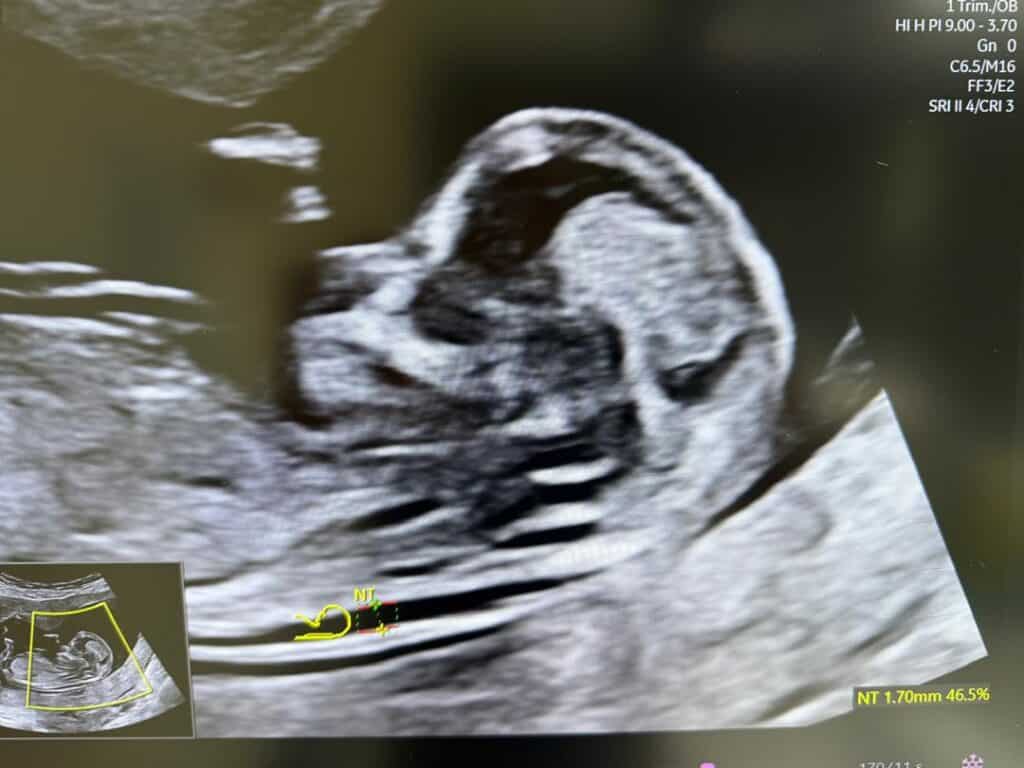
The test can be used as early as 10 weeks of pregnancy though this may differ between companies offering the test.
What happens if NIPT shows the baby might have a condition?
If the NIPT result shows that the baby is at high risk of having a chromosome condition, information about the condition will be provided. It is likely that your doctor will discuss confirming any concerning test results using invasive diagnostic testing procedures such as chorionic villus sampling (CVS) or amniocentesis.
Can NIPT harm me or my baby?
The test uses a sample of the mother’s blood. The mother may experience some discomfort when undergoing a blood test and there is no risk to the baby.

How should I prepare for the NIPT test?
NIPT is a simple blood test and requires little preparation:
- Fasting: Not required — you may eat and drink normally beforehand.
- Hydration: Drink water as usual; being well-hydrated can make it easier for the phlebotomist to draw blood.
- Clothing: Wear a top with sleeves that can be easily rolled up or removed, to allow access to your arm.
- Timing: usually from 10 weeks onward.
- Documents: Bring your antenatal book (if available) and any referral forms or previous test results.
- After the test: You may resume normal activities immediately; some mild bruising at the needle site is normal.
Who can I speak to about ordering this test?
This test is available through most obstetricians.
Disclaimer
This is for informational purposes only and is not intended to be a substitute for professional medical advice, diagnosis, or treatment. It is important for readers to seek proper medical advice when
necessary.